When Nitish Kumar, Chief Minister of Bihar, announced a massive pension hike recently, it wasn't just another political promise. It was a direct injection of ₹12,272.7 million into the bank accounts of over 11.1 million beneficiaries across six social security schemes. The move, which raised monthly pensions from ₹400 to ₹1,100, marks one of the most significant welfare shifts in the state’s recent history.
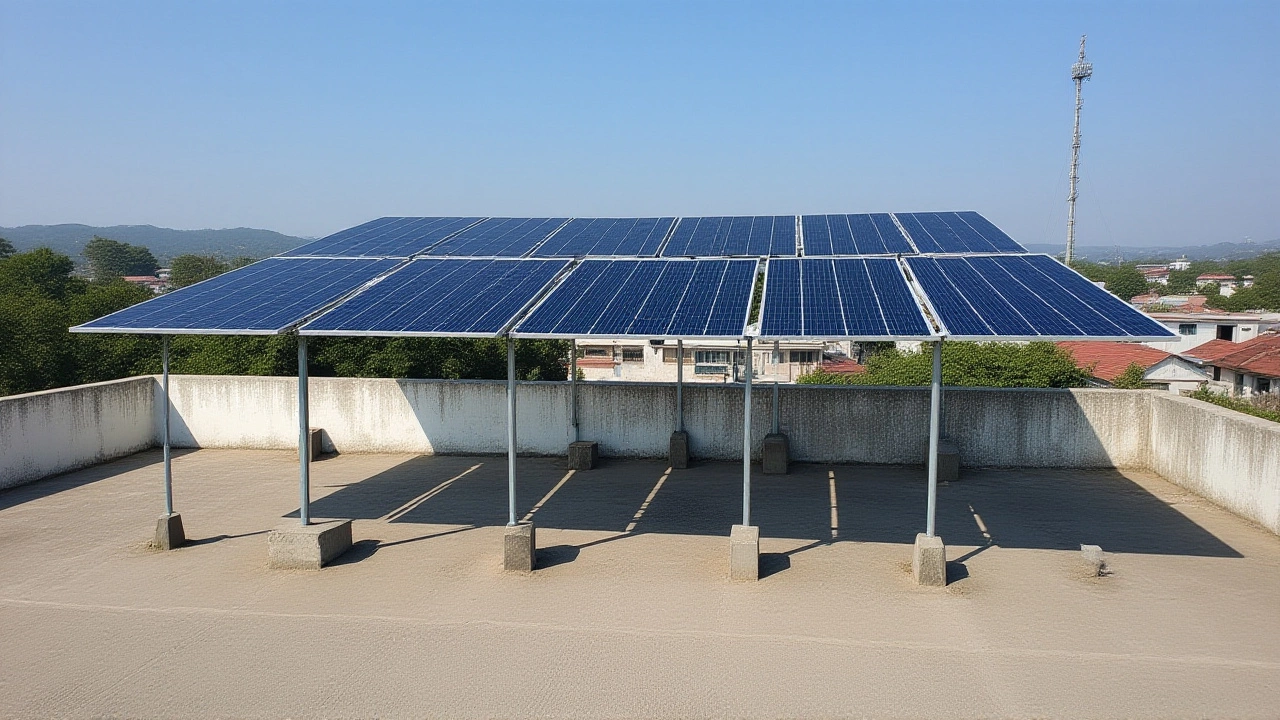
But here’s the twist: while Bihar focuses on cash transfers, neighboring regions like Bundelkhand are lighting up their nights using the sun itself. Families in districts like Mahoba are installing rooftop solar panels, cutting their electricity bills to zero and proving that renewable energy isn’t just an environmental buzzword—it’s a financial lifeline for rural India.
The Numbers Behind the Welfare Push
Let’s break down what actually happened in Bihar. The state government didn’t just raise numbers on paper; they executed a Direct Benefit Transfer (DBT) of ₹12,272.7 million. That money landed directly in beneficiaries’ bank accounts, bypassing middlemen and ensuring transparency.
The impact is staggering. Over 11.1 million people—roughly 10% of Bihar’s population—are now receiving nearly triple their previous pension amount. Previously, many senior citizens and vulnerable groups relied on a meager ₹400 monthly stipend. Now, that figure stands at ₹1,100. For a family surviving on thin margins, that extra ₹700 per month can mean the difference between skipping meals and buying nutritious food.
"This is a historic step," noted officials during the announcement. While the exact breakdown of the six affected social security schemes remains somewhat opaque in public reports, the scale suggests coverage across widow pensions, old-age allowances, and disability grants. Currently, about 11 million pensioners are registered in the system, meaning this policy touches millions of households simultaneously.
Solar Power Changes Lives in Bundelkhand
While Bihar deals with cash flow, Mahoba district in Uttar Pradesh is dealing with power flow. In this arid region of Bundelkhand, where grid reliability has historically been spotty, residents have turned to the sky for solutions.
Families here are installing rooftop solar panels not out of eco-consciousness alone, but out of economic necessity. One resident described the shift as "freedom from electricity bills." By generating their own power, these households are insulating themselves from rising tariffs and frequent outages. It’s a practical adaptation to climate stress that offers both immediate relief and long-term savings.
The benefits aren’t just financial. Reducing reliance on diesel generators or unstable grid connections lowers carbon emissions and improves air quality locally. As one local observer put it, solar energy provides "huge relief" economically and environmentally. Though specific unit production data isn’t publicly detailed for every household, the trend is undeniable: more roofs, more panels, fewer bills.
Grassroots Champions: Meet 'Solar Didis'
You can’t talk about India’s solar revolution without mentioning the women leading it on the ground. Take Devki Ji, known affectionately as a "Solar Didi" from Muzaffarpur, Bihar. She represents a growing cohort of rural women trained to install, maintain, and advocate for solar infrastructure.
Featured in programs inspired by Prime Minister Narendra Modi’s “Mann Ki Baat,” Devki Ji’s story highlights how technology adoption is becoming gender-inclusive. These "Solar Didis" don’t just sell panels; they educate communities, troubleshoot issues, and empower neighbors to take control of their energy needs. Their presence bridges the gap between high-tech policy and low-tech reality in villages.
This grassroots movement aligns with broader national goals under initiatives like Bharat@75, which celebrate self-reliance and innovation. With over 51,000 youth reportedly set to receive new opportunities soon—though details remain vague—the momentum behind green jobs and welfare expansion is palpable.
Why This Matters Now
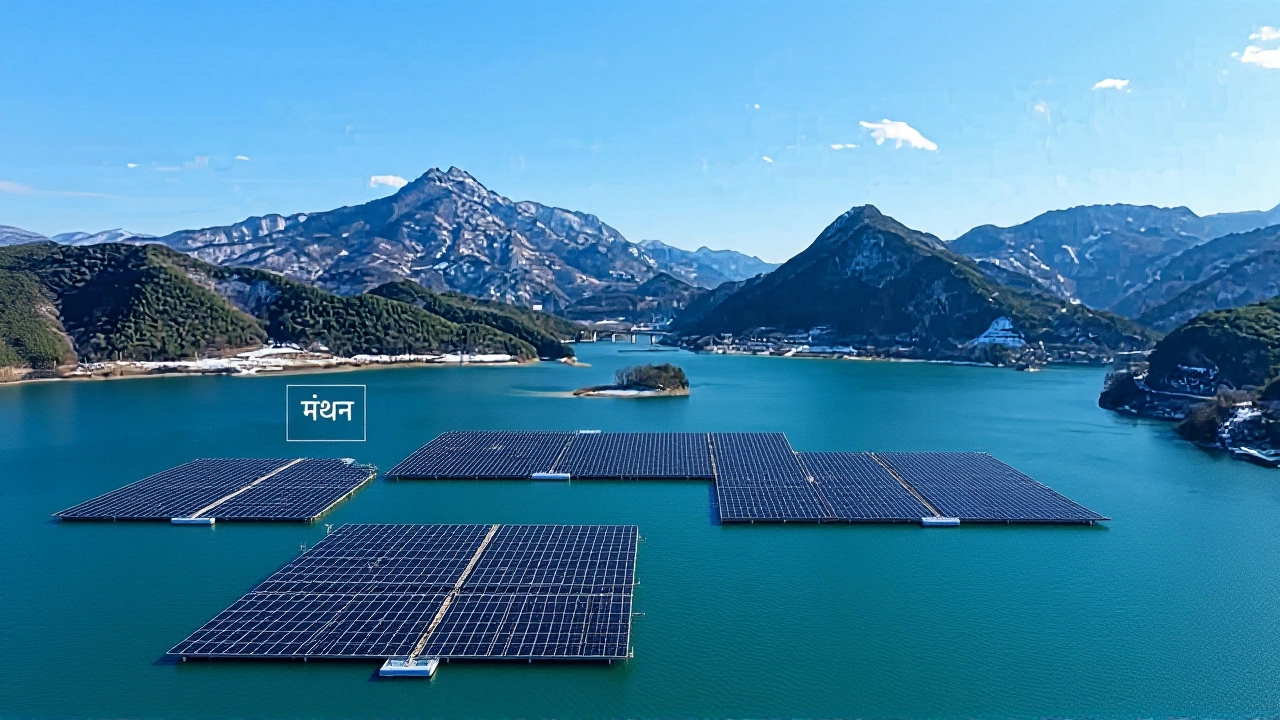
Two different approaches, one common goal: dignity through stability. Whether it’s Nitish Kumar’s pension hike ensuring elders have cash in hand, or Bundelkhand families harnessing sunlight to save money, these stories reflect a shift toward localized resilience.
In a country grappling with inflation and climate change, such measures offer tangible hope. The pension increase boosts local economies by putting spending power back into marginalized communities. Meanwhile, solar adoption reduces dependency on centralized grids, making rural areas more robust against disruptions.
Experts suggest that combining these strategies—cash support plus sustainable infrastructure—could create a powerful model for development. Imagine if pension recipients also had access to subsidized solar kits. The synergy could be transformative.
What’s Next?
Watch for expanded reporting on the six Bihar social security schemes and whether other states will follow suit with similar DBT-driven pension hikes. In Bundelkhand, look for data on aggregate energy generation from rooftop installations. If current trends continue, we might see entire villages achieving net-zero electricity costs within five years.
Also keep an eye on the role of "Solar Didis" like Devki Ji. As training programs expand, expect more women to enter the renewable energy workforce, reshaping traditional labor dynamics in rural India.
Frequently Asked Questions
How much did Bihar increase its pension payments?
Bihar increased monthly pension payments from ₹400 to ₹1,100, a rise of ₹700 per beneficiary. This affects over 11.1 million people across six social security schemes, with a total transfer of ₹12,272.7 million made via Direct Benefit Transfer.
Who is Devki Ji and why is she important?
Devki Ji, from Muzaffarpur, Bihar, is known as a "Solar Didi." She plays a key role in promoting and maintaining rooftop solar installations in rural areas, helping communities reduce electricity costs and gain energy independence.
Are families in Bundelkhand really saving money with solar?
Yes. Residents in Mahoba district report eliminating their electricity bills entirely by installing rooftop solar panels. This provides significant financial relief and protects them from grid instability and rising tariff rates.
Which government schemes are affected by the Bihar pension hike?
The hike covers six social security schemes administered by the Bihar state government. While specific names weren’t listed in initial reports, they typically include old-age pensions, widow benefits, and disability allowances for vulnerable populations.
Is there a connection between the pension hike and solar initiatives?
Not directly, but both reflect a broader strategy of enhancing rural livelihoods. Cash transfers provide immediate economic security, while solar adoption offers long-term cost savings and energy independence, creating complementary pathways to poverty reduction.