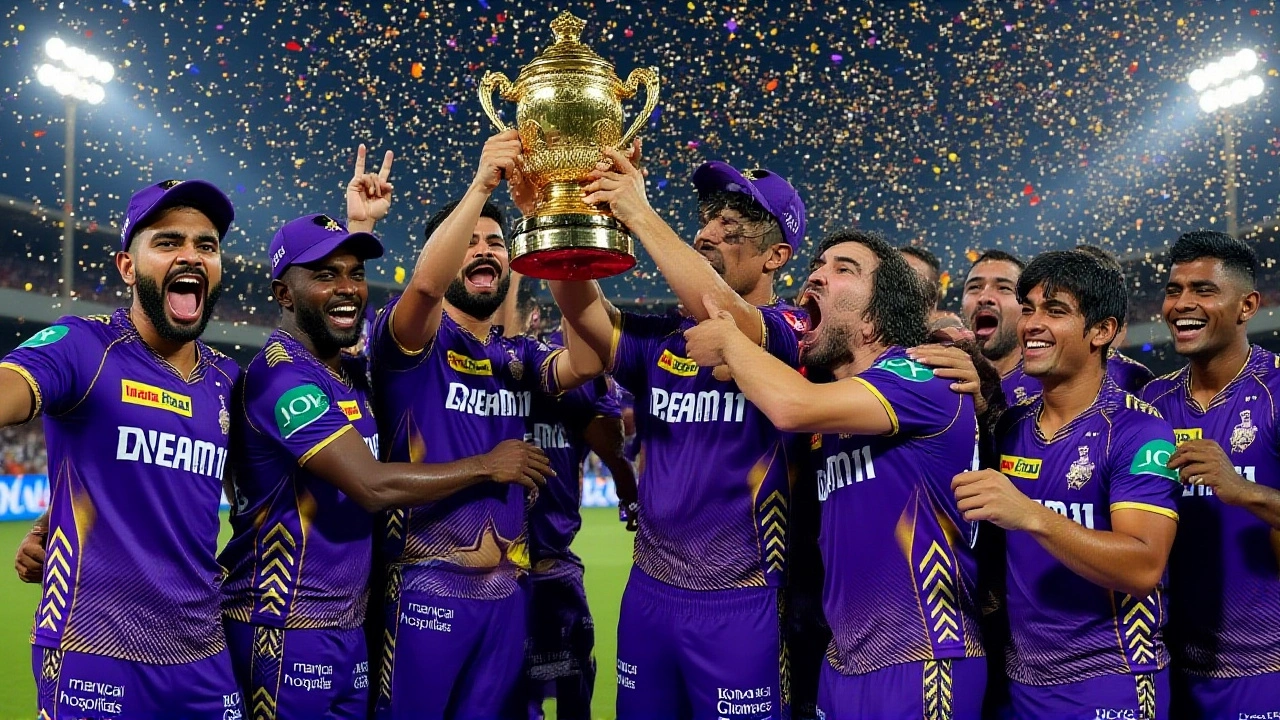
Cricket fans and players alike are buzzing about a financial shake-up that could redefine how athletes are compensated in the world's most lucrative T20 league. Jay Shah, Secretary of Board of Control for Cricket in India (BCCI), has announced a historic new match fee structure for the upcoming season.
Starting with IPL 2025India, players will receive a separate match fee on top of their existing franchise contracts. The twist? This isn't just a small bonus—it’s a guaranteed payout that could add up to ₹1.05 crore ($125,000) per player per season, regardless of their auction price.
Here’s the thing: this move fundamentally changes the economics of the league. For years, a player’s income was tied strictly to their retention or auction bid. Now, every time they step onto the field, they earn extra. It’s a direct reward for performance and availability, not just market value.
A New Financial Era for IPL Players
The details are specific and significant. According to reports, each player who takes the field will earn ₹7.5 lakh ($9,000) per match. If a player participates in all 14 league-stage matches, that adds up to exactly ₹1.05 crore. This amount is paid by the franchises but is mandated by the BCCI as a separate line item in their budgets.
Think about what this means for mid-tier players. Take Rinku Singh, for example. He plays for Kolkata Knight Riders and reportedly has a contract worth around ₹50–55 lakh. Under the old system, that was his entire season salary from the team. With the new rule, if he plays all his matches, he walks away with an additional ₹1.05 crore. That nearly doubles his take-home pay from the franchise.
Even star players aren’t left out. A player like Cameron “Stark” (likely referring to a high-profile overseas signing) with a ₹2 crore contract still gets the full match fee stack. The logic is simple: celebrate the game by ensuring everyone who contributes on the pitch is rewarded fairly for their physical presence and effort.
Franchise Budgets and the ₹12.6 Crore Mandate
But wait—where does the money come from? It doesn’t fall from the sky. Shah instructed all ten IPL franchises to allocate a specific sum solely for these match fees. Each team must set aside ₹12.6 crore ($1.5 million) specifically for player match payments. This amount is ring-fenced, meaning it cannot be used for other operational costs or player salaries.
This mandate forces franchises to rethink their financial planning. Previously, salary caps were flexible enough to absorb various costs. Now, there’s a fixed overhead for match participation. For teams with deep squads where many players rotate in and out, this budgeting becomes critical. If a team uses more players across the season, they hit the ceiling faster. If they rely on a core group, those few stars get richer, but the team spends less overall on match fees.
The reaction has been mixed. Some see it as a long-overdue correction, acknowledging that players often face injuries and immense pressure without proportional compensation for individual games. Others worry about the strain on franchise finances, especially for smaller markets already operating on thin margins.
Context: How Does This Compare?
To understand the scale, look at who else gets paid in the IPL. Umpires, for instance, have always had robust compensation packages. An experienced field umpire earns approximately $4,000 (₹3.46 lakh) per league match, rising to $6,000 for playoffs and $8,000 for the final. Over a two-month season, an umpire can earn between ₹40–52 lakh, plus daily allowances and sponsorship deals.
Players, however, didn’t have this per-match guarantee. Their earnings were binary: you got your contract, or you didn’t play. This new model aligns player compensation closer to traditional sports leagues like the NBA or Premier League, where appearance fees are standard. It signals that the BCCI views the IPL not just as a tournament, but as a professional employment ecosystem.
What’s Next for IPL 2025?
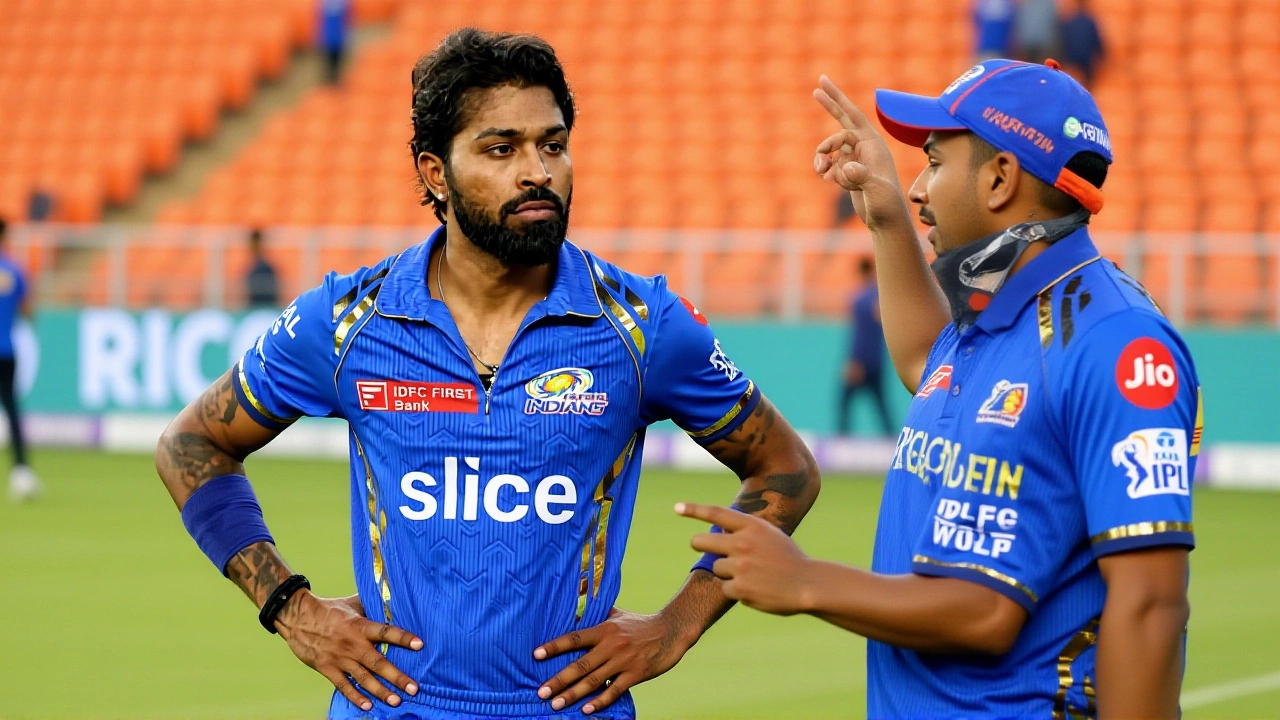
The first match of the season is scheduled for March 22, 2025. Teams are already adjusting their strategies. We might see fewer experimental calls-ups as franchises protect their ₹12.6 crore match fee budget. Alternatively, teams could use this to retain younger talent who previously couldn’t command high auction prices.
There are also updates regarding retention rules, though specifics remain vague. Combined with the match fee, these changes suggest a broader restructuring of how teams build their rosters. The goal seems to be stability and fairness, reducing the volatility that comes with annual auctions.
As the dust settles on the announcements, one thing is clear: the IPL is maturing. It’s moving beyond being just a spectacle into a sophisticated sporting business. For players, it’s peace of mind. For fans, it’s another reason to cheer louder when their favorite cricketer steps out to bat.
Frequently Asked Questions
How much is the new IPL match fee per game?
Each player receives ₹7.5 lakh ($9,000) for every match they play. This fee is paid in addition to their base contract salary negotiated during the auction or retention phase.
Who pays for these match fees?
The individual IPL franchises are responsible for paying the match fees. However, the BCCI has mandated that each team must allocate a separate budget of ₹12.6 crore specifically for this purpose, ensuring the funds are available and distinct from other operational expenses.
Does this apply to overseas players as well?
Yes, the match fee structure applies to all players in the squad, regardless of nationality. Whether Indian or overseas, any player who takes the field earns the ₹7.5 lakh per match bonus on top of their contracted salary.
When does this new policy start?
The new match fee policy is effective starting with the IPL 2025 season, which is scheduled to begin on March 22, 2025. It marks the first time such a structured per-match payment has been implemented in the league's history.
How does this affect lower-paid players?
It significantly boosts their income. For players with modest contracts, such as Rinku Singh with a ~₹55 lakh deal, the potential ₹1.05 crore in match fees nearly doubles their total earnings from the franchise, providing greater financial security and recognition for their on-field contributions.